
Afghanistan
Afghanistan
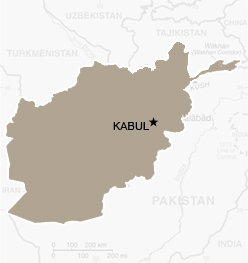
Capital Kabul
Population 28.3 million
Life Expectancy 44.64
Access to clean water 22%
Adult literacy 28.1%
Under five mortality 151.95 per 1,000 live births
GDP per head (US$ PPP) $700
-
Country Fact Sheet
 This Fact Sheet summarizes the key achievements of the Joint Programmes in Afghanistan.
Afghanistan Joint Programmes Fact Sheet.pdf (154 KB)
Our Joint Programmes
Peace Through Justice Joint Programme Afghanistan’s justice system has been deeply challenged by decades of war. Much of the judicial infrastructure has decayed or been destroyed, corruption is widespread, women's access to justice is often limited and many conflicts are resolved through the traditional justice system. This Joint Programme strengthened both supply and demand for access to justice across Afghanistan's more than 350 districts, the most neglected part of the country's judicial system. Strengthened Approach for the Integration of Sustainable Environmental Management into the ANDS/PRSP Afghanistan’s environment and natural resource base is under tremendous pressure. The decades of conflict, on-going instability, socio-economic insecurity and overall poverty, susceptibility to natural hazards and population boom have accumulated a heavy toll on the environment and the natural resource base of the country.The Joint Programme's goal was to assist Afghanistan in integrating environmental management into its National Development Strategy so as to produce environmentally sustainable growth. Feeding the Children of Afghanistan Together Afghanistan has one of the highest rates of infant and child mortality in the world, and its children suffer widespread stunting and underweight due to poor feeding practices and malnutrition. The UN Joint Programme Feeding the Children of Afghanistan Together used an integrated package of nutrition and food security interventions to attack the immediate and underlying causes of malnutrition, and helped establish the policies, legislation and capacity to tackle malnutrition in the medium and long-term.STORIES
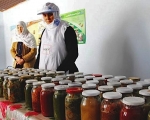
Canning food for better nutrition in Afghanistan
An MDG-F programme that teaches food processing is bringing extra income and improved diets to Afghan women and children.

 Facebook
 Twitter
 Youtube
 RSS
RSS