
An explosion of ethnic tensions in 1989 precipitated a mass expulsion of tens of thousands of Mauritanians and produced a climate of tension, uncertainty and animosity. Declining living conditions, rising unemployment and poverty, and the uneven distribution of resources exacerbated traditional sources of conflict -- access to land and water -- and social prejudices and discrimination became rampant. The Joint Programme's goal was to reduce conflict and inter-community tensions by promoting national unity and the rule of law, improving the equal distribution of resources and creating conflict resolution mechanisms.
JOINT PROGRAMME QUICK FACTS
Programme Dates 13 Aug 2009 - 30 Jun 2013
Net funded amount $5,000,000
Participating UN agencies UNDP, UNFPA, UNICEF, UNODC
National partners Commissariat aux Droits de l’Homme, à l’Action, Humanitaire et aux relations avec la Société Civile, Commission Nationale des Droits de l’Homme ; Ministère de la Culture, Jeunesse et Sports, Ministère de l’Education Nationale ; Ministère de la justice ; Agence Nationale pour l’Accueil et l’Insertion des Réfugiés ; Ministère des Affaires Economiques et du Développement ; Ministère de l’Intérieur et de la Décentralisation; Ministère des Affaires Sociales, de l’Enfance et de la Famille
Documents


Guinea-Bissau is one of the poorest countries in the world. Civil war, multiple coups and assassinations and protracted unrest have created profound political instability and extremely fragile institutions. The aim of the Joint Programme was to strengthen Guinea-Bissau's justice system and improve access to justice, particularly for women and the poor. It sought to foster national ownership, promote stability, improve the rule of law and public security and help reintegrate ex-combatants.
JOINT PROGRAMME QUICK FACTS
Programme Dates 14 May 2009 - 14 May 2013
Net funded amount $3,854,817
Participating UN agencies UNDP, UNFPA, UN Women, UNODC
National partners Le Ministère de la Justice, le Ministère de l’Intérieur, le Ministère de la Défense (Secrétariat Technique du Comité de pilotage pour la réforme du secteur de la défense et de la sécurité), le Ministère de la Femme, de la Famille et de la Solidarité Sociale et l’Assemblée Nationale
Documents



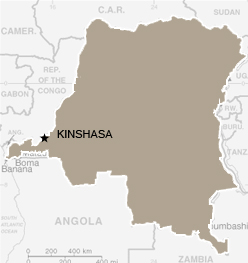
DRC
Capital Kinshasa
Population 68.6 million
Life Expectancy 54.36
Access to clean water 46%
Adult literacy 67.2%
Under five mortality 81.21 per 1,000 live births
GDP per head (US$ PPP) $300
-
Country Fact Sheet
 This Fact Sheet summarizes the key achievements of the Joint Programme in the DRC.
DRC Joint Programmes Fact Sheet.pdf (155 KB)
Our Joint Programmes
Project to Support Stabilization and Conflict Prevention in North Kivu The aim of the Joint Programme was to improve security and stability in the Democratic Republic of the Congo's troubled province of North Kivu. The programme adopted a holistic and multi-sectoral approach to assist 70,000 returnees and victims of sexual violence to reintegrate into their communities and to equitably manage the natural resources that are at the heart of the conflict there – improving their ability to produce their own food, bring it to market and build their livelihoods.STORIES
Peace and the Millennium Development Goals
As the world marks the International Day of Peace, the MDG-Fund is working in 19 conflict-prone countries to build peace and help achieve the MDGs.

The aim of the Joint Programme was to improve security and stability in the Democratic Republic of the Congo's troubled province of North Kivu. The programme adopted a holistic and multi-sectoral approach to assist 70,000 returnees and victims of sexual violence to reintegrate into their communities and to equitably manage the natural resources that are at the heart of the conflict there – improving their ability to produce their own food, bring it to market and build their livelihoods.
JOINT PROGRAMME QUICK FACTS
Programme Dates 02 Oct 2009 - 31 May 2012
Net funded amount $4,000,000
Participating UN agencies FAO, UNDP, UNICEF
National partners CTPR : Commission Technique de Pacification et de Réconciliation ; PSP : Direction Enseignement Primaire Secondaire et Professionnel ; DIVAS : Division des Affaires Sociales ; BCZS : Bureau Central de la Zone de Santé ; IPAPEL : Inspection Provinciale de l’Agriculture Pêche et Elevage


 Facebook
 Twitter
 Youtube
 RSS
RSS