
China
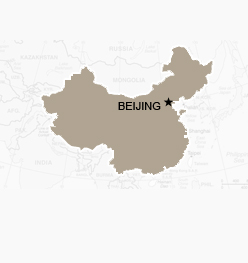
Capital Beijing
Population 1.3 billion
Life Expectancy 73.47
Access to clean water 88%
Adult literacy 90.9%
Under five mortality 20.25 per 1,000 live births
GDP per head (US$ PPP) $6,000
-
Country Fact Sheet
 This Fact Sheet summarizes the key achievements of the Joint Programmes in China.
China Joint Programmes Fact Sheet.pdf (185 KB)
Our Joint Programmes
The China Climate Change Partnership Framework Since 1978, China has lifted 600 million people out of poverty and has made good all-round progress towards achieving the MDGs. But one of the greatest challenges to its continued economic development is tackling climate change and reducing the impacts that rapid growth is having on China's natural environment. The Joint Programme supported China in implementing its new National Climate Change Strategy and improved local capacities for financing and technology. It also worked to ensure that vulnerable communities – including the world’s biggest rural population – can adapt to climate impacts. The China Culture and Development Partnership Framework China has the world’s biggest ethnic minority population, and this population is disproportionately poor, including 56% of all Chinese people living in extreme poverty. China owes much of its cultural wealth to the unique diversity of its minority groups, yet these minorities risk becoming increasingly vulnerable without the capacity and opportunities to access the benefits of China’s overall development. The Joint Programme supported China in designing and implementing policies that promote the rights of its 106 million ethnic minority citizens in the five provinces in which they are concentrated: Tibet, Qinghai, Xinjiang, Yunnan and Guizhou. Protecting and Promoting the Rights of China's Vulnerable Migrants China’s migrant workforce of 150 million represents the largest movement of people in modern history. But maximising the benefits of internal migration while mitigating its adverse effects is a difficult balancing act. Most migrants leave rural communities at a young age with few skills and can only obtain work that is, at best, manual and menial – and at worst, severely exploitative. This Joint Programme piloted strategies to reach young people most at risk from social exclusion and labour exploitation. Improving nutrition and food safety for China's most vulnerable women and children China’s impressive progress on reducing hunger has relied mainly on increasing incomes and food production. But massive disparities exist across geographical areas: in 2003-2005, 120 million Chinese from poor areas were undernourished. The prevalence of stunting and low weight for children under 5 in rural areas was 3 to 4 times higher than in urban areas during the period 1990-2010. The Joint Programme focused on an at-risk population of approximately 1.8 million children and women of child-bearing age by piloting a comprehensive approach to food security, child and maternal nutrition in six of China's poorest counties.IN THE NEWS

Maternal health program benefits 1.2 mln Chinese
The number of underweight children fell by 60% and stunting and anemia rates dropped by more than a third during MDG-F program to improve nutrition in poverty-stricken areas of China.


MDG-F programme aids 400,000 migrant workers in China
Pre-employment training gives migrants access to better jobs and safer working conditions and helps them adapt to urban life.

China is first developing country to reach MDG of halving its poverty rate
Number of poor Chinese has decreased from 94 million in 2000 to 27 million.

STORIES
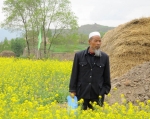
Chinese farmers switch crops to adapt to climate change
For decades, farmers like Mr. Ma grew spring rapeseed, but climate change has forced them to abandon the practice. The MDG-F is introducing crops and techniques to help growers adapt to the new weather patterns.
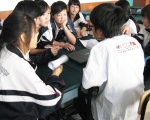
Helping China’s migrant youth adjust to life in the big city
In the biggest migration in human history, more than 200 million rural people have migrated to China’s urban centers, many of them youth who are ill-prepared to cope with city life. The MDG-F helped them build the skills to adjust.
Mon, 2009-08-31 09:23 | by mdgfadmin
International Relations and Tamil's Affairs Group (IRTAG) is a transnational interest group promoting Tamils as responsible international citizens and their over 30 years old righteous struggle for in
 Facebook
 Twitter
 Youtube
 RSS
RSS