
Panama
The Americas
Panama
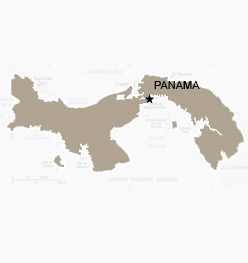
Capital Panama City
Population 3.3 million
Life Expectancy 77.25
Access to clean water 92%
Adult literacy 91.9%
Under five mortality 12.67 per 1,000 live births
GDP per head (US$ PPP) $11,700
-
Country Fact Sheet
 This Fact Sheet summarizes the key achievements of the Joint Programmes in Panama.
Panama Joint Programmes Fact Sheet.pdf (194 KB)
Our Joint Programmes
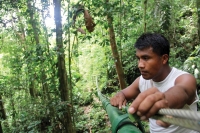
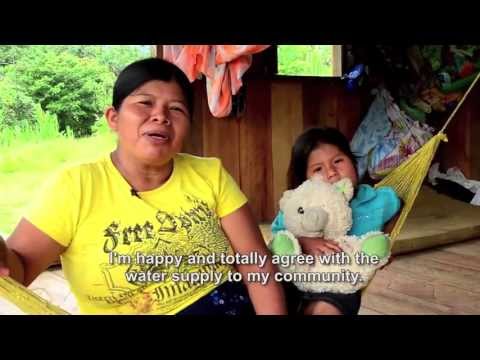
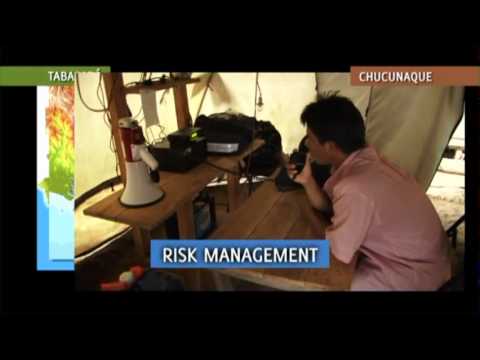
Strengthening equity in access to safe drinking water and sanitation by empowering citizens and excluded indigenous groups in rural areas Ninety-one per cent of the indigenous population of Panama's Ngöbe-Buglé Region suffers from extreme poverty. Their dispersion, mobility and location in remote and inaccessible areas raise the cost of traditional sanitation solutions, limiting investment and private participation. This Joint Programme used an intercultural and gender-based approach to increase basic services to marginalized communities and to empower local populations to manage their own water resources. Integration of Climate Change Adaptation and Mitigation Measures in the Management of Natural Resources in Four Priority Watersheds of Panama This Joint Programme worked in rural and indigenous communities in Panama to implement measures for combatting the effects of climate change, such as sustainable agriculture techniques, the use of energy-efficient stoves, water safety, reforestation and early warning systems to protect against floods. Entrepreneurial Opportunities Network for Poor Families This Joint Programme sought to reduce levels of poverty in Panama, especially in rural areas and indigenous regions, by supporting poor populations in launching sustainable micro-enterprises, with an emphasis on the farming and tourism sectors. Improving citizens' security in Panama -- contributing to the social construction of peace Although Panama's rate of human development has improved, inequalities have risen and 40% of the population now lives below the poverty line. In the last decade, homicide rates more than doubled, giving Panama one of the highest rates of violence in the region. This UN Joint Programme aimed to reduce violence and crime by strengthening institutional mechanisms and policies in the justice and security sectors, coordinating relevant stakeholders, and including vulnerable groups, particularly youth, in decision-making processes.STORIES
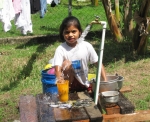
Water leads to empowerment in rural Panama
Rural and indigenous people are finding their voice through an MDG-F-backed programme to boost local control of water management.

 Facebook
 Twitter
 Youtube
 RSS
RSS