
The Americas
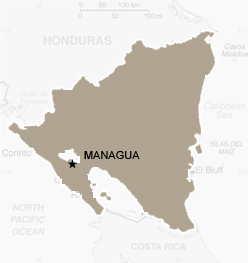
Nicaragua
Capital Managua
Population 5.8 million
Life Expectancy 71.5
Access to clean water 79%
Adult literacy 67.02%
Under five mortality 25.5 per 1,000 live births
GDP per head (US$ PPP) $2,900
-
Country Fact Sheet
 This Fact Sheet summarizes the key achievements of the Joint Programmes in Nicaragua.
Nicaragua Joint Programmes Fact Sheet.pdf (211 KB)
Our Joint Programmes
Democratic economic governance in the Water and Sanitation sector in the RAAN and RAAS Less than 20% of people living in Nicaragua's Northern and Southern Autonomous Administrative Regions, home to many indigenous communities, have access to drinking water and adequate sanitation. The goal of the Joint Programme was to increase sustainable access to water and sanitation for poor population groups by strengthening democratic economic governance in the water and sanitation sector. “TUKTAN YAMNI” Integrated Model This Joint Programme's goal was to reduce chronic malnutrition in Nicaragua's Northern and Southern Autonomous Administrative Regions, home to many indigenous communities, by providing pregnant and breastfeeding women, children under five and school children up to 12 with integrated food security and nutrition services. Local and regional environmental management for the management of natural resources and provision of environmental services Nicaragua's Bosawas Biosphere Reserve is Central America's largest rainforest and part of the Mesoamerican Biological Corridor. The Joint Programme's aim was to improve management of the protected area, increase access to water and sanitation, provide renewable energy and promote agroforestry as a means to boost incomes. National Development Capacities for Improving Employment and Self-Employment Opportunities for Young People This Joint Programme worked with the government to improve young Nicaraguans' access to decent employment, especially those living in socially vulnerable conditions in urban and rural areas, and thereby helped to counteract the negative effects of migration. “From Rhetoric to Reality”: Promoting Women’s Participation and Gender Responsive Budgeting Women in Nicaragua face limited access to decent work and credit, low participation in decision-making, little economic autonomy, poor exercise of their rights, including sexual and reproductive, and poor access to justice in cases of domestic violence. This Joint Programme was designed to support the government in ensuring the equality of women and men and enforcing non-discrimination on the grounds of gender. Cultural Recovery and Creative Productive Development on the Caribbean Coast of Nicaragua One in three children is chronically malnourished on Nicaragua's Caribbean Coast, an area that contains 80% of the country's natural resources, but is also one of its poorest regions and home to the majority of its indigenous and Afro-Caribbean populations. The aim of the Joint Programme was to help to reduce inequalities in the human, social and economic development of these communities through cultural reclamation, productive development and a deepening of knowledge of tangible and intangible heritage.STORIES
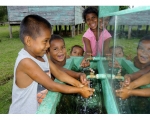
Unity is strength in Nicaragua
Until recently, the women of the village of Venus spent a part of each day searching for and collecting drinking water. That all changed when they and the MDG-F started working together.

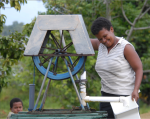
Miskito families protect Nicaragua’s ecological treasures
MDG-F-supplied solar panels are helping Nicaragua's indigenous communities preserve their environment.
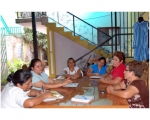
Unity makes strength for Nicaraguan women
The MDG-F is helping Nicaraguan women to break the cycle of poverty in which they live through business training and access to specialized health services.
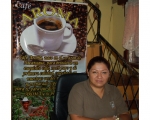
Coffee as a route to women’s empowerment
María José Blandón Villavicencio, a Nicaraguan housewife turned coffee producer, has a sales record that would make any entrepreneur green with envy: 1600% growth in her first year.

Namibia
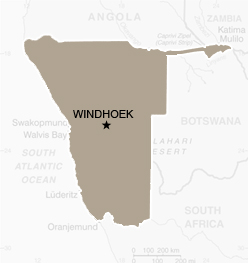
Capital Windhoek
Population 2.1 million
Life Expectancy 51.24
Access to clean water 93%
Adult literacy 85%
Under five mortality 45.51 per 1,000 live births
GDP per head (US$ PPP) $6,300
-
Country Fact Sheet
 This Fact Sheet summarizes the key achievements of the Joint Programmes in Namibia.
Namibia Joint Programmes Fact Sheet.pdf (149 KB)
Our Joint Programmes
Sustainable Cultural Tourism in Namibia Namibia has one of the world’s fastest-growing tourism sectors and its rich cultural and natural heritage offers an excellent opportunity to spur economic development and improve livelihoods. But sustainable and equitable development through tourism is being stymied by two factors: the unequal distribution of cultural resources and the non-recognition of many communities' history and cultural heritage. The Joint Programme worked to integrate culture into national development policies and programmes, targeting in particular disadvantaged indigenous groups and local communities. Setting things right - towards gender equality and equity Some of the critical challenges in addressing poverty and securing civil and political rights for all Namibians are inequitable access to resources, low participation of women at all levels of decision making and the lack of gender equality and women’s empowerment. The Joint Programme was designed to improve the welfare of women, children, youths and vulnerable groups in Namibia in a sustainable and significant manner by promoting gender equality and empowering women and girls.Mozambique
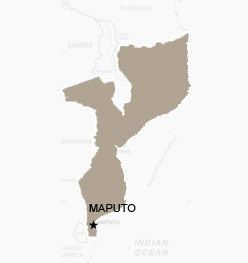
Capital Maputo
Population 21 million
Life Expectancy 42.4
Access to clean water 42%
Adult literacy 43.8%
Under five mortality 145 per 1,000 live births
GDP per head (US$ PPP) $1,242
-
Country Fact Sheet
 This Fact Sheet summarizes the key achievements of the Joint Programmes in Mozambique.
Mozambique Joint Programmes Fact Sheet.pdf (165 KB)
Our Joint Programmes
Children, Food Security and Nutrition in Mozambique Rising food prices in Mozambique have pushed vulnerable households towards coping strategies that can irreversibly impoverish families and children. More than 40% of children under the age of five are stunted due to chronic illness and poor diet, and nearly one in five is underweight. This Joint Programme used short-term and medium/long-term interventions to reduce the impact of rising food prices and to improve the health, nutritional and food security of children. Environment Mainstreaming and Adaptation to Climate Change Southern Africa is one of the regions most vulnerable to the impacts of climate change, and Mozambique is already experiencing the devastating effects of increased droughts, floods and cyclones on agricultural livelihoods in rural and coastal areas. The Joint Programme was created to ensure that environmental issues are mainstreamed in central and local plans and programmes, and to help communities adapt to climate change by boosting their coping mechanisms and broadening their options for earning a living. Strengthening cultural and creative industries and inclusive policies in Mozambique Mozambique has made impressive development gains in the last 15 years, reducing poverty and child and maternal mortality rates, and doubling the number of children enrolled in school. Nonetheless, poverty remains high, particularly for women and female-headed households in rural areas. The Joint Programme's aim was to show that, with strategic inputs in both the cultural and creative industries and purposeful inclusion of culture in development planning, culture in all its forms can make a strong contribution to Mozambique's human and economic development.IN THE NEWS
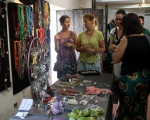
Joint Programme supports National Craft Fair and Training of Exhibitors
Artisans from across the country recently had the opportunity to display their products to thousands of visitors at the 11th edition of the National Craft Fair in Maputo, Mozambique.
.gallery_front.JPG)
Presentation of Contract Guides for the Music and Craft Sector in Mozambique
This initiative is part of an overall review of the legal framework supporting the growth of the creative industries in Mozambique.
STORIES
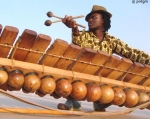
MDG-F helps to preserve Mozambique musical tradition
A joint UN programme is assisting musicians and instrument-makers to replant endangered trees used in the production of the "Timbila", a UNESCO masterpiece of human heritage.
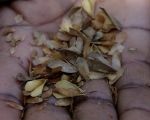
The Power of Traditional Knowledge: how it is helping to preserve cultural heritage, the environment and provide income for local communities in Mozambique
An exploration of MDG-F activities which aim to strengthen links to traditional knowledge in the context of agricultural production and forestry management in Mozambique.
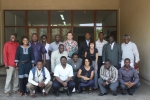
Strengthening the Capacity of the Mozambican Government in Developing Successful Strategies for Craft Sector Development
UNESCO, one of six partner agencies on the Joint Programme, facilitated a workshop on ‘Market Access for Artisans’ and a professional exchange mission to South Africa to strengthen awareness of opportunities and strategies for growth of the craft sector in Mozambique.
.gallery_front.jpg)
Understanding the Role of Culture in Sexual and Reproductive Health in Mozambique
The MDG-F Joint Programme is piloting a new approach which takes into account social and cultural aspects in the area of Sexual and Reproductive Health in Mozambique.
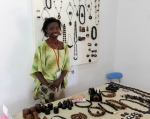
Mozambique’s Pioneering Cultural Management Information System takes another step forward
Currently in Mozambique there is no consolidated information system that brings together all the data about the cultural sector in one place. The development of the Cultural Management Information System will ensure Mozambique’s ability to facilitate the collection and analysis of relevant data, monitor culture sector developments, and provide a public window to Mozambique’s rich cultural diversity.
UNHCR and UNESCO help create "living museum" in Mozambique camp
A UNHCR story on one of the cultural programmes jointly being implemented with UNESCO.
Helping rural communities adapt to climate change in Chicualacuala district of Gaza province, Mozambique
Life has become increasingly difficult for Lurdes and the other 45,000 people living in Chicualacuala, one of the driest and most isolated districts in the Mozambique.
Morocco
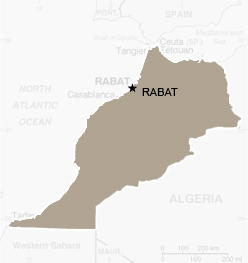
Capital Rabat
Population 34.8 million
Life Expectancy 71.8
Access to clean water 83%
Adult literacy 52.3%
Under five mortality 36.88 per 1,000 live births
GDP per head (US$ PPP) $4,000
 This evaluation is a knowledge-generating exercise whose goal is to: 1) Assess the MDG-F's contribution, at national level, to the achievement of the MDGs, the principles of the Paris Declaration and the UN reform initiative to “Deliver as One”; 2) Identify best practices and lessons learned in order to inform future joint programming for development; and 3) Connect local level programme interventions with national level policy-making processes by highlighting successful pilot initiatives with the potential for replication and scale-up.
Morocco_Country Final Evaluation.pdf (1.79 MB)-
Country Fact Sheet
 This Fact Sheet summarizes the key achievements of the Joint Programmes in Morocco.
Morocco Joint Programmes Fact Sheet.pdf (180 KB)
MDG-F Case Study Evaluation
Our Joint Programmes
Programme for the fight against gender-based violence through the empowerment of women and girls in Morocco Over the past decade, Morocco has made significant strides in improving women's rights, including the ground-breaking passage of the 2004 Family Code, giving women greater protection and equality, and the 2008 ban on discrimination against women. But the country still struggles with high levels of gender-based violence: fully 60% of Moroccan women have experienced some form of violence and a quarter of them sexual violence in their lifetime. The Joint Programme was conceived to reduce gender-based violence against Morocco's women and girls by addressing the linkages between their poverty and their vulnerability. Cultural Heritage and the Creative Industries as a Vehicle for Development in Morocco Morocco possesses a rich and varied cultural heritage. However, while this heritage is a source of national pride, it remains undervalued and its development potential untapped. The aim of the Joint Programme was to strengthen the role of Morocco's cultural heritage and its creative industries within government policies and strategies relating to human development, poverty reduction and gender equity. As well as boosting local socio-economic development and sustainability, the programme sought to create a balance between preserving Morocco's cultural heritage and using it for the purpose of economic development.IN THE NEWS

MDG-F culture programme has improved lives in Morocco
Women and youth in southern region have particularly benefited from income-generating activities in the creative industries.

Culture improving livelihoods in Morocco
MDG-F-supported programme uses culture as catalyst for economic development.
 Facebook
 Twitter
 Youtube
 RSS
RSS