
Eastern Europe
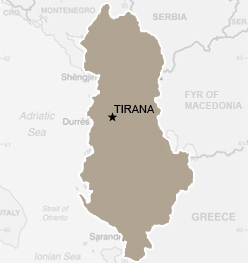
Albania
Capital Tirana
Population 3.6 million
Life Expectancy 77.96
Access to clean water 97%
Adult literacy 98.7%
Under five mortality 18.62 per 1,000 live births
GDP per head (US$ PPP) $6,000
-
Country Fact Sheet
 This Fact Sheet summarizes the key achievements of the Joint Programmes in Albania.
Albania Joint Programmes Fact Sheet.pdf (178 KB)
Our Joint Programmes
Economic governance, regulatory reform, public participation, and pro-poor development in Albania While Albania's access to safe water has considerably improved in recent years, poor service is a persistent issue: the water pipes are old, the quality of water is low and there are frequent water cuts. The Joint Programme helped to put legal and institutional mechanisms in place and to build the capacities of Government, utility regulators and consumer associations for better service delivery as part of Albania's preparation for accession to the European Union. Reducing Malnutrition in Children Despite considerable progress since the 1990s, relatively low child mortality rates and good exclusive breastfeeding practices, Albania faces multiple child nutrition problems, including high rates of stunting and overweight, disparities in health and nutrition status and micronutrient deficiencies. The Joint Programme strengthened the government's capacity to monitor, address and prevent undernutrition, and supported local interventions to boost awareness, capacities and mechanisms for tackling household food insecurity and malnutrition. Youth migration: Reaping the benefits and mitigating the risks The absence of jobs for youth in Albania has fueled one of the highest emigration rates in the world. The Joint Programme's goal was to create decent work opportunities for marginalized youth by combining employment and social policy objectives and integrating them into long-term national development goals. Cultural Heritage for Social and Economic Development The joint programme was designed to strengthen the capacities of Albania in the area of culture and development, and to boost the role of Albania’s cultural identity and heritage in the promotion of the country’s image abroad. In doing so, the joint programme made an important contribution to Albania’s national priority of accession to the European Union.STORIES
An old craft creates opportunities for Albania’s new generation
The MDG-Fund is providing training and jobs for marginalized youth in Albania, where more than a third of young people cannot find decent work.

Turning youth’s promise into productive futures
As the world observes International Youth Day, the MDG-F is working to bring hope and opportunities to young people around the globe, helping them to secure work and embark on productive lives.
MDG-F helps provide universal safe water to Albania
The sustainable supply of safe, sufficient and quality water is a high priority in Albania, where poor water service is endemic. A joint UNDP/World Bank programme funded by the MDG-F is helping the Albanian government tackle the country’s water and sanitation problems.

The Americas
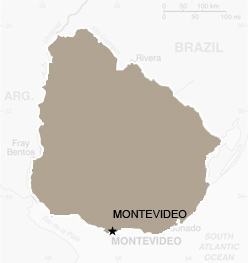
Uruguay
Capital Montevideo
Population 3.4 Million
Life Expectancy 76.35
Access to clean water 100 %
Adult literacy 98 %
Under five mortality 11.32 per 1,000 live births
GDP per head (US$ PPP) $12,400
-
Country Fact Sheet
 This Fact Sheet summarizes the key achievements of the Joint Programmes in Uruguay.
Uruguay Joint Programme Fact Sheet.pdf (184 KB)
Our Joint Programmes
Strengthening Cultural Industries and improving access to the cultural goods and services of Uruguay Though Uruguay has recovered from the severe economic crisis of 2002 and has enjoyed sustained economic growth, it still suffers from inequalities, social exclusion and marginalization, leaving vulnerable populations - many of them women, children and adolescents -- without access to goods, services and basic rights. This Joint Programme aimed at improving access to cultural goods and services, promoting cultural expressions and developing cultural industries in order to boost the country's economic integration, expand its domestic market, attract quality jobs, promote the participation of women, and strengthen social cohesion.STORIES
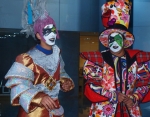
Art helps Uruguay's inmates transition from prison
Uruguay uses support from the MDG-F and a creative approach to help soon-to-be-released inmates prepare for life outside the prison walls: musical theater.
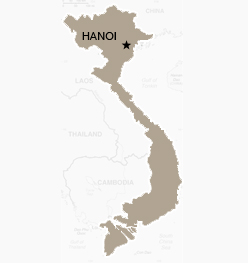
Vietnam
Capital Hanoi
Population 86.9 Million
Life Expectancy 71.58
Access to clean water 62 %
Adult literacy 90.3 %
Under five mortality 22.88 per 1,000 live births
GDP per head (US$ PPP) $2,800
-
Country Fact Sheet
 This Fact Sheet summarizes the key achievements of the Joint Programmes in Vietnam.
Vietnam Joint Programmes Fact Sheet.pdf (187 KB)
Our Joint Programmes
Integrated Nutrition and Food Security Strategies for Children and Vulnerable Groups in Viet Nam Despite the fact that Viet Nam has achieved a significant reduction in malnutrition among children under five, malnutrition remains a public health priority. Strong regional disparities in nutritional status persist and vulnerable groups are facing additional challenges of higher food prices, the impact of the financial crisis and natural disasters. The Joint Programme worked with the government to reduce the prevalence of malnutrition among under-fives and to prevent future malnutrition. Viet Nam Joint Programme on Gender Equality One in three ever married Vietnamese women reports having suffered physical or sexual violence at the hands of her spouse. This Joint Programme worked with the government to build gender equality and combat gender-based violence by strengthening capacity for reporting, gender analysis, sex disaggregated data collection and monitoring. Green Production and Trade to Increase Income and Employment Opportunities for the Rural Poor Despite an almost 80 % drop in its poverty rate over the last 15 years, Vietnam continues to struggle with significant inequalities, particularly in rural areas. This Joint Programme's goal was to increase incomes and work opportunities for producers of handicrafts and growers and collectors of raw materials for craft production. It targeted 4,000 poor farming and crafts producing households in the four northern provinces of Vietnam, including families from ethnic minorities such as the Thai, Muong and H’mong.IN THE NEWS
Vietnam leads drop in child malnutrition
WHO/UNICEF say underweight rates in children under five fell from 44 % in 1994 to 17 % in 2010, the fastest drop in the region.
MDG-F-supported Vietnamese businesswoman wins global UNCTAD award
Prize honours women entrepreneurs from developing countries who have founded successful firms, created jobs and become role models in their communities.
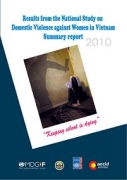
New study shows high prevalence of domestic violence in Viet Nam
One in three, or 34 percent, of ever-married women report that they have suffered physical or sexual violence from their husbands at some time in their lives, according to the National Study on Domestic Violence Against Women in Viet Nam, launched today by the Government of Viet Nam and the United Nations.
STORIES
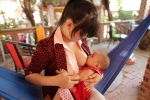
MDG-F sharply boosts breastfeeding in Vietnamese villages
Nearly one in three mothers now nurse their newborns thanks to a programme to reduce child malnutrition.
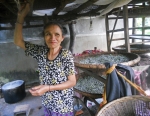
High-yield crops help Vietnamese farmers
An MDG-F-provided mulberry variety produces bigger and better leaves to feed income-boosting silkworms.
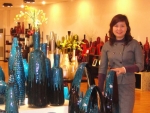
Reducing poverty among Vietnam’s craft producers
Vietnam has a long tradition of handmade crafts, but the rural families that produce them are among the country’s poorest. The MDG-F is assisting Vietnamese craft businesses to become more competitive, and boosting incomes for rural craft producers.
Publications
Vietnam.jpgThough Dahshur, home to two of Egypt's oldest and best-preserved pyramids, is an important destination for visitors, the surrounding communities are economically depressed, with increasing pressures from climate change, population growth and a drop-off in tourism due to the recent political turmoil. The aim of the Joint Programme was to protect the Dahshur pyramids area while fostering sustainable development, cultural and ecological management and revenue generation.
JOINT PROGRAMME QUICK FACTS
Programme Dates 14 Apr 2009 - 14 Apr 2013
Net funded amount $3,095,086
Participating UN agencies ILO, UNDP, UNESCO, UNIDO, UNWTO
National partners Ministry of Foreign Affairs; Ministry of International Cooperation; Supreme Council of Antiquities; Ministry of Tourism; Industrial Modernization Centre; Egyptian Environmental Affairs Agency; Social Fund for Development



 Facebook
 Twitter
 Youtube
 RSS
RSS